

Think running shoes are just fancy sneakers? Think again! These bad boys are packed with tech and design, all geared towards making your run smoother, faster, and injury-free. Knowing what’s going on beneath your feet can be the difference between a killer run and a trip to the physio. Let’s lace up and dissect the anatomy of a running shoe, breaking down those essential components that make all the difference.
| Component | Description | Features | Model Selection |
|---|---|---|---|
| Upper | Secures the foot, providing structure and breathability. | Knit: Flexible, adaptive fit Mesh: Breathable, enhances airflow |
Mizuno Wave Neo Wind, Nike Flyknit Racer, Saucony Endorphin Speed 3, Adidas Ultraboost Primeknit |
| Insole (Sock Liner) | Provides cushioning and supports the foot, often customizable. | Accommodates orthotics for extra arch support and comfort | Brooks Adrenaline GTS 22 |
| Midsole | Adds cushioning and stability based on arch type. | Cushioning for rigid arches Stability with guide rails for overpronation |
Hoka Clifton 8, Brooks Adrenaline GTS |
| Stack Height | Distance from foot to ground, influencing cushioning. | Higher stack height provides more cushioning for impact absorption | New Balance More V4 |
| Heel-to-Toe Drop | Difference in heel/toe height, impacting footstrike. | High drop for heel strikers Low drop for midfoot/forefoot strikers |
ASICS Gel-Kayano 28, Altra Escalante Racer |
| Outsole | Provides grip and durability, designed for different terrains. | Smooth for road running Lugged for trail running with enhanced traction |
Nike Pegasus 40, Salomon Speedcross 5 |
| Tongue | Prevents lace pressure and debris; can be gusseted for added protection. | Gusseted tongue keeps debris out and stays in place | La Sportiva Bushido II |
| Laces | Secure fit, customizable lacing systems available. | Innovative lacing systems for a more personalized, adjustable fit | On Cloudflyer 4, On Cloud X |
1. The Upper: Keeping You Locked In

The upper wraps around your foot and secures it in place, providing structure, support, and breathability. The material can influence flexibility and airflow, impacting overall comfort.
- Knit Uppers: Flexible and adaptive, knit uppers (e.g., Mizuno Wave Neo Wind, Nike Flyknit Racer) conform to the foot, offering a snug, secure fit for runners seeking more flexibility.
- Mesh Uppers: Highly breathable, mesh materials (e.g., Saucony Endorphin Speed 3, Adidas Ultraboost Primeknit) allow airflow, reducing sweat and keeping feet cool during long runs.
Pro Tip: For hot climates or sweaty feet, opt for a mesh upper for better airflow. In cold or wet conditions, choose a less ventilated, weather-resistant upper (e.g., Salomon Speedcross 5) or GORE-TEX waterproofing (e.g., Brooks Cascadia 16 GTX, Asics Gel Kinsei OG Gore Tex) for added protection.
2. The Insole: Comfort from Within
The insole (or sock liner) provides direct underfoot cushioning, enhancing comfort during running. Typically made from lightweight foam, it absorbs impact and can be replaced with custom orthotics for more personalized support if needed.
Many running shoes are designed to accommodate custom orthotic inserts (e.g., Brooks Adrenaline GTS 22). This feature is especially beneficial for runners who require extra arch support or cushioning, allowing for better alignment and reducing strain during long runs, helping to prevent injuries and discomfort.
Pro Tip: If you’re prone to overpronation, consider replacing the standard insole with custom orthotics for added stability and support.
3. The Midsole: Where Cushioning Meets Stability

The midsole is essential to a running shoe’s comfort and performance, providing cushioning, stability, or energy return. Positioned between the insole and outsole, it’s typically made of foam or advanced materials.
- Cushioned Running Shoes: Best for rigid arches, offering soft cushioning and impact absorption over long distances, reducing stress on joints and muscles (e.g., Hoka One One Clifton 8).
- Stability Running Shoes: For flexible arches or overpronation, featuring guide rails to prevent inward rolling, offering more controlled and balanced strides (e.g., Brooks Adrenaline GTS).
- Performance Running Shoes: Speed-focused designs with carbon plates enhance energy return, improving forward propulsion and reducing fatigue during fast runs (e.g., Nike Vaporfly Next%, Puma Deviate Nitro 3).
Midsole Technologies
- Foam Cushioning: Lightweight, high-energy foams like FlyteFoam (found in ASICS Nimbus) provide plush comfort without added bulk.
- Stability Features: Guide rails (e.g., Brooks Adrenaline GTS) stabilize foot movement to control overpronation.
- Propulsion Technologies: Some models (e.g., Saucony Endorphin Speed) use TPU plates for a balance of cushioning and responsiveness, ideal for racing and mixed training.
Pro Tip: For runners needing both cushioning and propulsion, the Saucony Endorphin Speed offers a perfect blend with its TPU plate.
4. Stack Height & Heel-To-Toe Drop: Adjusting to Your Stride
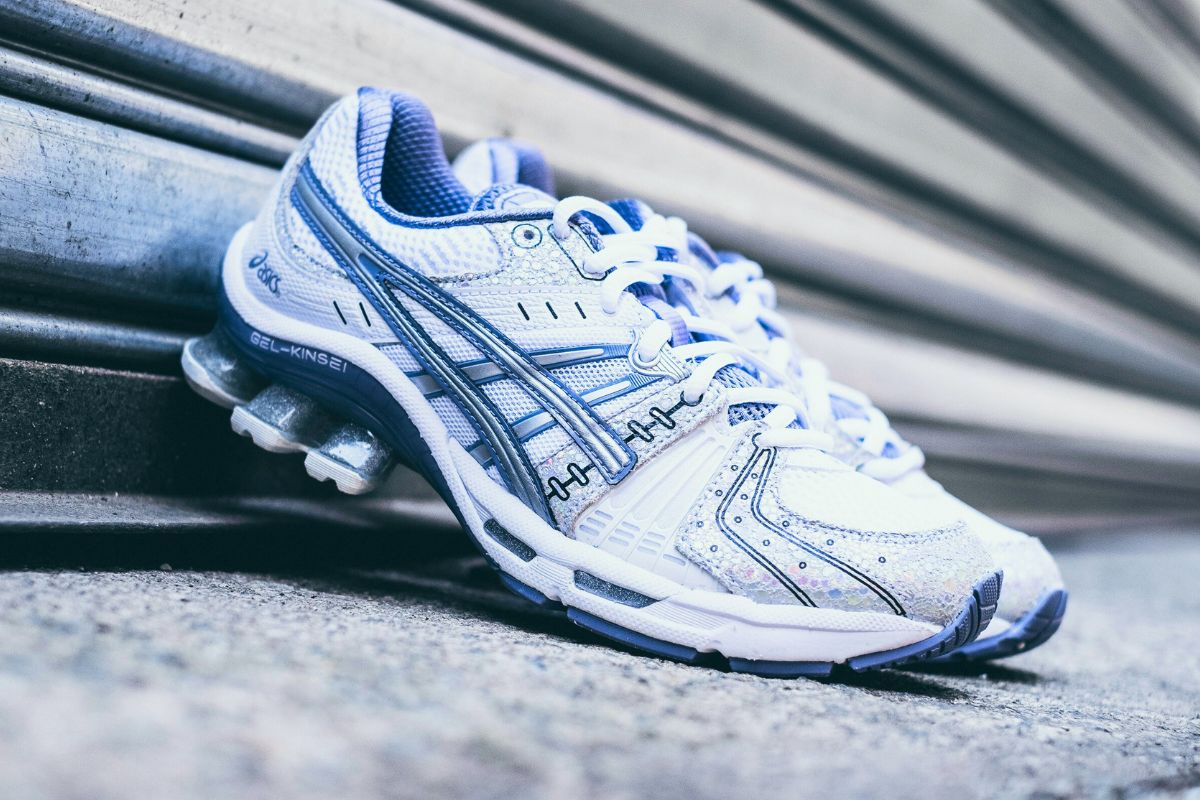
Two key midsole measurements that affect both comfort and performance are stack height and heel-to-toe drop.
- Stack Height: Refers to the thickness of the sole. Shoes with a higher stack height (e.g., New Balance More V4) provide maximum cushioning, ideal for absorbing impact during long-distance running.
- Heel-to-Toe Drop is the difference in height between the heel and toe.
- Higher drop (10mm+): Provides extra heel cushioning for heel strikers, reducing stress on the Achilles and lower leg (e.g., ASICS Gel-Kayano 28).
- Low drop (0-4mm): Encourages a more natural midfoot or forefoot strike, improving form and reducing knee strain (e.g., Altra Escalante Racer).
Pro Tip: If you’re transitioning from high drop to low drop shoes, take time to adapt gradually to avoid calf strain
5. The Outsole: Traction & Durability

The outsole is the shoe’s direct contact point with the ground, typically made of durable rubber to provide traction and protect the midsole from wear.
- Road Running Outsoles: These are smooth, designed to maximize traction on paved, flat surfaces by offering a solid grip without too much tread (Nike Pegasus 40).
- Trail Running Outsoles: Trail shoes use deep lugs and softer rubber for grip on uneven, rocky, or muddy terrains, but these wear quickly on hard surfaces. (Salomon Speedcross 5).
- Aggressive Lug Pattern: Found in trail shoes, these large, deeper lugs improve traction on rugged terrains.
- Sticky Rubber Compounds: Some trail shoes (e.g., La Sportiva Bushido II) use softer rubber to maximize grip on slick or wet surfaces, although these can wear down faster when used on pavement.
Pro Tip: If you run on both road and trails, opt for a hybrid shoe (e.g., Hoka One One Challenger ATR 6), which offers enough lug depth for trails while being smooth enough for roads.
6. Tongue & Laces: Securing The Fit

The tongue and laces ensure a comfortable, snug fit by preventing pressure points and keeping your foot secure during runs.
Tongue
The tongue sits right under the laces and serves as a protective barrier, preventing the laces from pressing directly onto the top of your foot, which could cause discomfort or pain.
- Gusseted Tongue: Fully attached to both sides of the shoe’s upper, keeping debris out and the tongue in place (e.g., La Sportiva Bushido II).
- Semi-Gusseted Tongue: Partially attached (on one side or part-way up), balancing fit security and flexibility.
- Non-Gusseted Tongue:Only attached at the base, often found in racing shoes to save weight but may shift during runs.
Laces
Laces vary in thickness and texture. Thin, flat laces reduce interference, while thicker, textured laces stay tied more securely, reducing mid-run adjustments. Innovative lacing systems (e.g., On Cloudflyer 4 or On Cloud X) allow custom tightness for personalized fit. These systems help create targeted pressure points or relief zones, making them ideal for runners with foot sensitivities or swelling.
Pro Tip: Elastic laces (e.g., Lock Laces) expand with foot swelling, preventing circulation issues while maintaining a snug fit without constant adjustment.
7. Rocker: Enhancing the Ride
The rocker in running shoes refers to a curved design in the sole, typically affecting both the midsole and outsole. This curvature creates a smoother heel-to-toe transition, promoting a more efficient ride with reduced fatigue, especially during long runs or races. The rocker helps distribute impact evenly across the foot, reducing the strain on the ankle and improving shock absorption.
8. Toe Box: Comfort For Your Toes
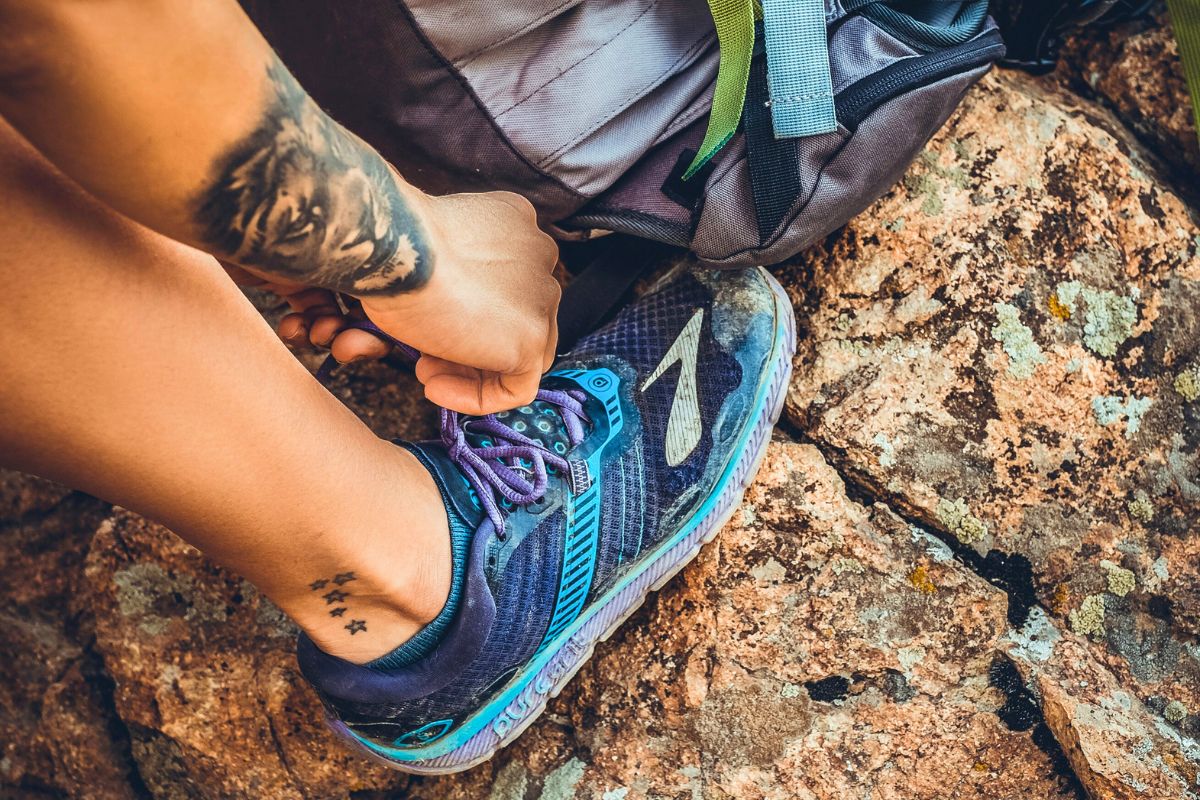
The toe box in a running shoe influences how much room your toes have to spread. A wider toe box allows for more toe splay, which helps reduce the risk of blisters and discomfort, especially on longer runs.
This is particularly beneficial for trail runners who need extra space for stability and to accommodate swelling during strenuous activities. Some models (e.g., Altra Lone Peak) are known for their foot-shaped, wide toe box design, providing enhanced comfort and preventing irritation during prolonged use on rugged terrains.
Pro Tip: If you experience frequent toe discomfort, opt for shoes with a more spacious toe box to allow for natural toe movement.
9. Heel Counter, Heel Tab, and Pull Tab: Stability & Support
- Heel Counter: The rigid structure at the back of the shoe, designed to support and stabilize your heel, reducing overpronation. Running shoes have a strong heel counter to ensure stability (e.g., ASICS Gel-Kayano).
- Heel Tab/Pull Tab: A small extension at the back of the shoe, making it easier to put on. Often found in trail shoes (e.g., Salomon Speedcross), pull tabs are essential for a snug fit.
10. Overlays: Additional Support & Structure
Overlays are synthetic materials added to the shoe’s upper for support and durability. They can also provide structure in high-wear areas and improve aesthetics. For example, the Nike Pegasus uses overlays strategically to enhance the shoe’s fit and protection.
Finding Your Ideal Running Shoe
Selecting the right running shoe involves understanding your personal needs—whether it’s extra arch support, cushioning, or specific terrain adaptability. It’s crucial to try on various models and evaluate how each shoe’s features (such as the upper, midsole, and outsole) align with your foot shape and running style.
Whether you’re a daily runner or a race-day enthusiast, knowing the anatomy of running shoes will help you maximize performance and comfort. Seek expert advice or research models to find the best match for your unique requirements.


